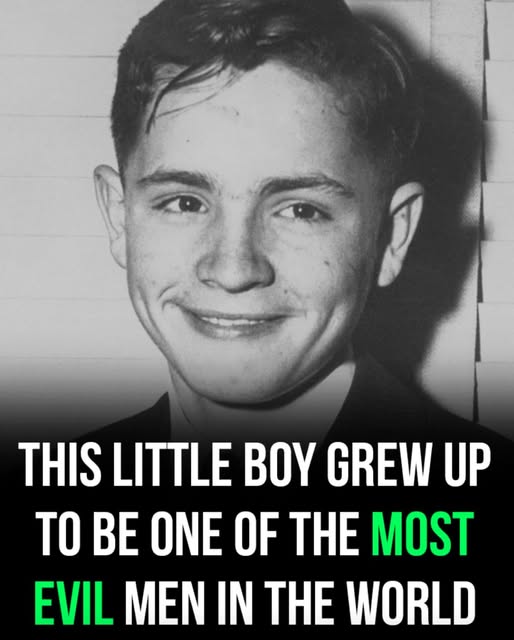
Even before the blood was spilled, before the desert nights echoed with whispered prophecies, before the name Charles Manson became a symbol of horror, something inside him had already begun to fracture. Long before the cameras, the trials, and the headlines, there was a child navigating a world that felt unstable and unforgiving. He learned early that love could evaporate without warning, that violence could command attention, and that rescue was a fantasy reserved for other children. Step by step, disappointment hardened into resentment, and resentment slowly calcified into something darker. By the time the world would come to know his name, the transformation was already well underway.
The story of Charles Manson is not a justification for the terror he orchestrated; it is a disturbing blueprint of how neglect, instability, and unchecked rage can evolve into manipulation and cruelty. His father disappeared before he had the chance to understand what fatherhood meant. His teenage mother drifted in and out of prison, leaving him shuttled between relatives and institutions where affection was scarce and survival instincts were essential. Reform schools, Catholic boys’ homes, and federal facilities did not rehabilitate him—they refined him. Each punishment deepened his defiance. Each abandonment reinforced his belief that attachment was weakness.
In those cold institutional corridors, he developed a talent for reading people—their fears, their insecurities, their longing to belong. What began as a child’s strategy to endure would later become a man’s weapon to control. By adulthood, his charisma had sharpened into something predatory. He learned to exploit vulnerability with eerie precision, blending flattery, philosophy, drugs, and intimidation into a psychological snare. The communal dream he offered was not freedom, but submission disguised as enlightenment.
Out of that manipulation grew the group that would become known as the “Manson Family,” bound together by isolation, devotion, and fear. Under his influence, delusion transformed into doctrine, and doctrine turned deadly. The murders that followed—brutal, senseless, and designed to ignite chaos—shocked the world and etched his name into infamy. They were not spontaneous acts of madness, but the catastrophic culmination of years of cultivated control and chosen cruelty.
Long after his death in 2017, Charles Manson remains more than a historical criminal figure; he is a chilling reminder. Damage left untreated does not simply fade into the past. Trauma, when fused with ego and sharpened by intent, can metastasize into monstrosity. His life stands as a warning that while suffering may explain a path, it never excuses the destination—and that the line between wounded child and dangerous adult is crossed not in a single moment, but in countless small decisions along the way.