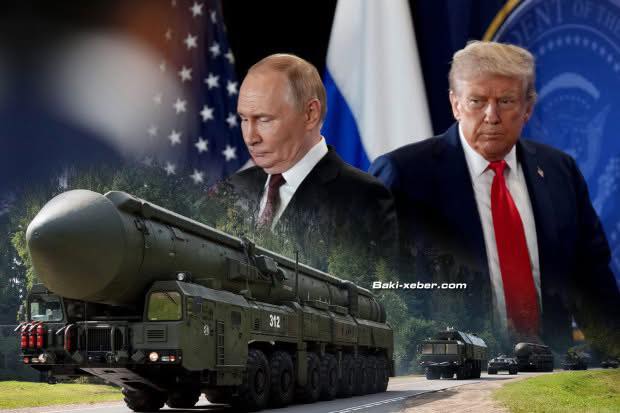
In a stunning development that has sent shockwaves through the international community, a coalition of thirteen nations has reportedly come together in what many observers are calling one of the most significant geopolitical alignments of the decade. The announcement arrives at a moment of heightened global uncertainty, as tensions between major world powers continue to simmer just below the surface—threatening to boil over at any misstep.
The formation of this alliance comes against a backdrop of mounting strategic rivalry, military posturing, and increasingly assertive rhetoric on the world stage. Circulating images—widely shared across media platforms—depict advanced missile transport systems positioned prominently alongside senior political leaders at a high-level international gathering. The symbolism of such imagery has proven impossible to ignore. Within hours, global markets showed signs of volatility, and reports emerged of emergency consultations taking place in capitals across multiple continents.
Early briefings describe the newly established bloc as a “defensive coordination initiative,” structured to address what participating nations characterize as escalating security threats and destabilizing military maneuvers in key regions. While officials have been careful to avoid language suggesting imminent armed conflict, the unprecedented scope and speed of this cooperation signal a profound recalibration of strategic priorities. Analysts suggest this could represent a defining moment in the evolving architecture of global power.
Defense experts point out that the visible presence of long-range missile platforms carries weight far beyond their technical specifications. Such displays function as powerful strategic communication tools—designed not merely for combat readiness, but for deterrence. “This is about more than hardware,” one senior security analyst noted. “It’s about projecting unity, reinforcing alliances, and sending a clear signal that collective resolve will meet any perceived aggression.”
Diplomatic channels, meanwhile, are working overtime. World leaders have publicly called for restraint, underscoring the urgent need for dialogue and de-escalation. Behind closed doors, emergency sessions are reportedly underway within major international institutions, aimed at opening communication pathways between opposing blocs and preventing dangerous misunderstandings. The emphasis, at least publicly, remains on diplomacy over confrontation.
Across the globe, citizens are watching developments unfold with a mixture of concern and uncertainty. In an already fragile international climate—marked by economic strain, regional conflicts, and shifting alliances—the margin for miscalculation appears perilously thin. Whether this thirteen-nation coalition will ultimately stabilize the balance of power or intensify existing fault lines is a question that looms large.
For now, the world waits. What happens next may shape not only the immediate geopolitical landscape, but the trajectory of international relations for years to come.